Tuesday, December 14, 2010

Organic Tasmanian Garlic is now available!

This delicious certified garlic is easy to grow - just separate the bulbs into individual cloves before planting, or eat it fresh now! Drizzle whole bulbs in olive oil, sprinkle with sea salt and ground pepper and roast for an hour or so - serve with any roast meat or enjoy the soft, sweet cloves squeezed onto thickly cut bread slices....

Go to our website to order - www.fourseasonsherbs.com.au

Monday, December 6, 2010


Xmas Special Offer:
We would like to show our appreciation to our valued customers for their support over the past year by offering a 20% discount across our entire product range. Valid until the end of January 2011.


Organic Garlic


Garlic packs will be available from mid- december onwards (until sold out). Choose from 3 or 6 bulb packs or if you are a serious garlic lover, try our new 1kg pack. Please email us if you would like to pre-order.


We wish you a merry christmas and a relaxing new year; keep safe and enjoy your holidays (preferably in the garden!)


As always, if you have any enquiries we would love to hear from you.
Email us at


sales@fourseasonsherbs.com.au
or visit our website at;
www.fourseasonsherbs.com.au


Or leave a comment on our blog at


www.fourseasonsherbs.blogspot.com


Happy Gardening!


Tara Springer

Thursday, December 2, 2010

What a busy month we have had!


I haven't had time to update the blog lately (excuses, excuses!) but we have had quite a number of shows, events, festivals and markets to attend recently.. Our winter break ended with a bang when we threw ourselves into spring sales by attending the Tulip Festival in beautiful Wynyard. The tulips were a sight to see - colour everywhere. Next was the Deviot Gourmet Market during which we meet all our local customers on the bank of the glorious Tamar River. Followed by our attendance at the Tasmanian Craft fair - Specialist Plant Nursery section. This great annual event runs over the November long weekend and show cases over a dozen plant specialists including Bonnie Banks Iris's, Fushia Fantasy, Misty Downs Nursery, Cloverlea and Topiary Nursery, Fernmania, Gatenby's Nursery, Jubilee Nursery, Tazwild Plants, Clematis Cottage and Woodbridge Nursery....oh, and of course Four Seasons Herbs :)
It didn't end there; November was just as busy as we exhibited all weekend at Gardenfest in the beautiful grounds of Entally House with over 30 other nursery and garden specialists. Last weekend we attended Clarence Point Gourmet market on the banks of the Tamar River and watched sail boats casually drift by as we chatted with locals and tourists alike. This weekend we are going to try a new market called the Lilydale Village Market - apparently their wood fired pizzas are to die for ..... So, I hope this list of events excuses me from being so slack about updating my blog...I will try harder next time...Posted by Picasa

Wednesday, September 22, 2010

Spring is definately here!


Spring is definately here! My daughter, Jess planted up this pot a few months ago and doesn't it look fantastic! It brightens up our entire sunroom, and the scent from the Hyacinths are just beautiful....
Jess is now inspired to plant out every empty pot she can lay her hands on...
I know this has absolutely nothing to do with herbs, but it is so pretty.

Sunday, September 19, 2010


French Tarragon is an anise-flavoured (licorice) herb with long narrow, pointed leaves. Use French tarragon rather than russian for best flavour. Culinary uses include Bernaise Sauce for steak or eggs Benedict; tarragon butter that can be used over green beans, asparagus, peas, carrots; in salads or salad dressings, in mayonnaise to serve with cold seafood or fish; with eggs, chicken, beef, pork, lamb. It is also one of the herbs in "fines herbes" mixture, along with chervil, chives and parsley in equal amounts. Make tarragon vinegar by infusing white wine vinegar with fresh tarragon; place in cool, dark place for 2 weeks, then remove leaves.


This plant requires a position with sun, although prefers a little afternoon shade. Keep well watered in summer. In Autumn it will begin to die down and begin its winter dormancy. Completely normal, it will re-shoot the following spring.

Wednesday, August 18, 2010

How to make a Kitchen Herb Garden

Herbs are pretty easy to grow, and given their popularity these days its easy to see why more and more people are making the effort to establish a small 'herb garden'. And why not? Herbs pay triple dividends in good looks, good flavours, and good scents. Thats aside from the benefits they bring in terms of the health of your garden - many strongly scented herbs deter unwanted pest insects such as mosquitoes, flies and ants to name a few.....


The simplicity of freshly chopped chives sprinkled over an omelete or soup; the Mediterranean charms of fresh rosemary, oregano, and thyme; the delicious aroma of lemon verbena or lemon balm – all make it difficult not to get enthusiastic about herbs. And these rewards don't have to be limited to the summer garden. Even just a few pots indoors can supply you with wonderful flavours and herbal scents through out the rest of the year.


So where do you start? Why not begin with the basics; these are herbs notable for their consistent, compact growth habit and strong flavour. All grow well in pots or containers, and can be strategically placed close to the kitchen in a sunny outdoor area.


CHIVES (Allium schoenoprasum): Strong flavor and thick, dark green leaves. Grows pretty much all year round to about 30cm tall. Try sprinkling snipped leaves over any egg dish, on top of soup, pasta, in fact any savoury dish you can think of!


DILL Bouquet (Anethum graveolens): Dwarf form of dill only 40-50cm tall. Perfect partner to any fish dish.


'ENGLISH' MINT (Mentha viridis): Perhaps the best-behaved mint variety (not as invasive as others, and the leaves are broader and deeper green). Excellent for cooking, mint sauce, and tea. Easy to propagate from cuttings.
'Greek' BASIL (Ocimum basilicum minimum): Dense, compact form of basil, 30cm tall. Good flavour. Tiny leaves are strongly flavoured and excellent snipped as a garnish. The more often it is picked, the bushier it will grow!
GREEK OREGANO (Origanum vulgare hirtum): The true oregano for Mediterranean cooking, with excellent flavor and white flowers. Greek oregano grows well in pots, tending to spread rather than grow tall.
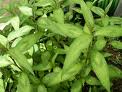
VIETNAMESE Mint/Coriander (Polygonum odoratum): Not true coriander or a true mint, but a good substitute. Regrows after cutting, unlike true coriander, which must be reseeded after harvest. This herb has a strong coriander flavour with a hot, spicyness too. Used in asian Laska's and curries.
ROSEMARY (Rosmarinus officinalis):Flowers freely and has excellent flavor. Propagated by cuttings only. What roast would be complete without a few sprigs of rosemary?


GARDEN SAGE (Salvia officinalis): Grey/green leaves and a compact habit if trimmed regularly, growing to 1 metre high. Same sage flavor. Toss a few sage leaves in hot butter and pour over fresh pasta.....


ITALIAN PARSLEY (Petroselenium sp) Everybody needs parsley in their complement of culinary herbs! Used as a garnish, or to add a subtle flavour to cooked savoury dishes, it has a high level of iron and vitamin C.


Soil, fertilizer, and water. After light, proper soil is the next most important factor in producing healthy herb plants. With few exceptions, herbs require excellent drainage, especially during the winter months, when transpiration rates are lowest (that's the rate at which plants release water from their leaves to the atmosphere). When roots are confined in a pot or planter, water and air cannot move easily. To improve drainage without sacrificing nutrients, add sharp sand or perlite to a good sterilized compost-based mix. Most herbs do well in soils of pH 6 to 7.
Many people incorrectly think that herbs grow better in poor soil. Wrong! Flavors are stronger when culinary herbs grow outdoors in gardens. But in the confines of a pot, supplementary feedings with liquid fertilizer or organic fish emulsion are necessary. Feed herbs once a week when plants are actively growing, but not when dormant.

Watering is not a trivial matter with herbs. In general, water less often and more thoroughly, and only when the soil is actually dry. When the soil is dry to the touch, add water until it comes out the bottom of the pot. If the water doesn't come out, pots have a drainage problem. First, check that the holes aren't blocked; if not, you may have to repot with soil that has better drainage.
Pests and Diseases
Herbs are susceptible to common pests, including whiteflies, spider mites, aphids, mealybugs, scale insects, and thrips. Inspect herbs regularly. If your herbs are in portable containers, control pests by dipping the whole aboveground part of the plant into insecticidal soap. Swish vigorously for a minute or two to wet all leaf surfaces (hold your hand over the pot to prevent soil loss). Dipping once or twice a week for three to four weeks will clear up most problems. Pyrethrum spray is an easy and low toxicity method of killing pests. Make your own, or buy a pre-made spray pack.

Wednesday, June 9, 2010

Winter Chill!


Even though the mild weather has deserted us, now is great time to get into the garden. We cleared out the old summer vegetable beds, added some old manure and raked it smooth - ready for planting! The tomato bushes had more or less melted during the last frost, so they were easy to lift out, as were the chillies and capsicums. Old corn plants are a little more difficult as their roots were quite deep! The old stalks are drying out now, awaiting the mulcher, only to be added back onto the vegie garden at some stage.


We have planted Spring Onions, French Shallots, Red Chantenay Carrots, more Asparagus crowns (yum!) Tatsoi, French Sorell, Rhubarb, Garlic bulbs, Artichokes (Purple and Green varieties) and a bush Pea .


This weekend, I plan to extend the vegetable plantings by including a patch of red onion, mustard greens, spinach (english) and some more bush peas (trying to stagger the planting so we don't end up with a feast or a famine!) I should also put in some broad beans but I haven't got past my intense childhood dislike of this particular vegetable so.....I will leave that one out!