

The simplicity of freshly chopped chives sprinkled over an omelete or soup; the Mediterranean charms of fresh rosemary, oregano, and thyme; the delicious aroma of lemon verbena or lemon balm – all make it difficult not to get enthusiastic about herbs. And these rewards don't have to be limited to the summer garden. Even just a few pots indoors can supply you with wonderful flavours and herbal scents through out the rest of the year.
So where do you start? Why not begin with the basics; these are herbs notable for their consistent, compact growth habit and strong flavour. All grow well in pots or containers, and can be strategically placed close to the kitchen in a sunny outdoor area.
 CHIVES (Allium schoenoprasum): Strong flavor and thick, dark green leaves. Grows pretty much all year round to about 30cm tall. Try sprinkling snipped leaves over any egg dish, on top of soup, pasta, in fact any savoury dish you can think of!
 DILL Bouquet (Anethum graveolens): Dwarf form of dill only 40-50cm tall. Perfect partner to any fish dish.
 'ENGLISH' MINT (Mentha viridis): Perhaps the best-behaved mint variety (not as invasive as others, and the leaves are broader and deeper green). Excellent for cooking, mint sauce, and tea. Easy to propagate from cuttings.
 'Greek' BASIL (Ocimum basilicum minimum): Dense, compact form of basil, 30cm tall. Good flavour. Tiny leaves are strongly flavoured and excellent snipped as a garnish. The more often it is picked, the bushier it will grow!
 GREEK OREGANO (Origanum vulgare hirtum): The true oregano for Mediterranean cooking, with excellent flavor and white flowers. Greek oregano grows well in pots, tending to spread rather than grow tall.
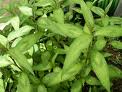 VIETNAMESE Mint/Coriander (Polygonum odoratum): Not true coriander or a true mint, but a good substitute. Regrows after cutting, unlike true coriander, which must be reseeded after harvest. This herb has a strong coriander flavour with a hot, spicyness too. Used in asian Laska's and curries.
 ROSEMARY (Rosmarinus officinalis):Flowers freely and has excellent flavor. Propagated by cuttings only. What roast would be complete without a few sprigs of rosemary?
 GARDEN SAGE (Salvia officinalis): Grey/green leaves and a compact habit if trimmed regularly, growing to 1 metre high. Same sage flavor. Toss a few sage leaves in hot butter and pour over fresh pasta.....
 ITALIAN PARSLEY (Petroselenium sp) Everybody needs parsley in their complement of culinary herbs! Used as a garnish, or to add a subtle flavour to cooked savoury dishes, it has a high level of iron and vitamin C.
 Soil, fertilizer, and water. After light, proper soil is the next most important factor in producing healthy herb plants. With few exceptions, herbs require excellent drainage, especially during the winter months, when transpiration rates are lowest (that's the rate at which plants release water from their leaves to the atmosphere). When roots are confined in a pot or planter, water and air cannot move easily. To improve drainage without sacrificing nutrients, add sharp sand or perlite to a good sterilized compost-based mix. Most herbs do well in soils of pH 6 to 7.
Many people incorrectly think that herbs grow better in poor soil. Wrong! Flavors are stronger when culinary herbs grow outdoors in gardens. But in the confines of a pot, supplementary feedings with liquid fertilizer or organic fish emulsion are necessary. Feed herbs once a week when plants are actively growing, but not when dormant.
Watering is not a trivial matter with herbs. In general, water less often and more thoroughly, and only when the soil is actually dry. When the soil is dry to the touch, add water until it comes out the bottom of the pot. If the water doesn't come out, pots have a drainage problem. First, check that the holes aren't blocked; if not, you may have to repot with soil that has better drainage.
Pests and Diseases
Herbs are susceptible to common pests, including whiteflies, spider mites, aphids, mealybugs, scale insects, and thrips. Inspect herbs regularly. If your herbs are in portable containers, control pests by dipping the whole aboveground part of the plant into insecticidal soap. Swish vigorously for a minute or two to wet all leaf surfaces (hold your hand over the pot to prevent soil loss). Dipping once or twice a week for three to four weeks will clear up most problems. Pyrethrum spray is an easy and low toxicity method of killing pests. Make your own, or buy a pre-made spray pack.
Herbs are susceptible to common pests, including whiteflies, spider mites, aphids, mealybugs, scale insects, and thrips. Inspect herbs regularly. If your herbs are in portable containers, control pests by dipping the whole aboveground part of the plant into insecticidal soap. Swish vigorously for a minute or two to wet all leaf surfaces (hold your hand over the pot to prevent soil loss). Dipping once or twice a week for three to four weeks will clear up most problems. Pyrethrum spray is an easy and low toxicity method of killing pests. Make your own, or buy a pre-made spray pack.


